Thursday, November 5, 2026Commercial real estate news
About The Basis
the basis.

Commercial real estate.
The full picture.

Saved storiesLatest stories
Rates
RATE WATCHDaily benchmarks10-year Treasury4.84%-6 bpAs of Nov 55-year Treasury4.59%-10 bpAs of Nov 5SOFR3.92%-2 bpAs of Nov 5Effective Fed funds3.88%UnchangedAs of Nov 5
STATE MARKET PULSESeptember 2026 · BLS · Monthly
New YorkJobs YoY +0.2%Unemployment 4.3%FloridaJobs YoY +0.6%Unemployment 4.4%TexasJobs YoY +1.1%Unemployment 4.4%CaliforniaJobs YoY +0.7%Unemployment 5.1%New JerseyJobs YoY +0.1%Unemployment 4.2%North CarolinaJobs YoY +1.3%Unemployment 3.4%AlabamaJobs YoY +1.0%Unemployment 3.5%AlaskaJobs YoY +1.2%Unemployment 4.3%ArizonaJobs YoY +0.6%Unemployment 4.9%ArkansasJobs YoY +0.9%Unemployment 3.9%ColoradoJobs YoY +0.4%Unemployment 4.1%ConnecticutJobs YoY +0.9%Unemployment 5.1%DelawareJobs YoY +0.3%Unemployment 4.6%District of ColumbiaJobs YoY -3.5%Unemployment 5.6%GeorgiaJobs YoY 0.0%Unemployment 3.3%HawaiiJobs YoY +0.1%Unemployment 2.8%IdahoJobs YoY +1.0%Unemployment 3.6%IllinoisJobs YoY +0.2%Unemployment 4.6%IndianaJobs YoY -0.4%Unemployment 3.4%IowaJobs YoY +0.3%Unemployment 3.2%KansasJobs YoY +0.3%Unemployment 3.8%KentuckyJobs YoY 0.0%Unemployment 4.7%LouisianaJobs YoY +1.8%Unemployment 4.0%MaineJobs YoY +0.1%Unemployment 3.3%MarylandJobs YoY -0.5%Unemployment 3.9%MassachusettsJobs YoY +0.4%Unemployment 4.3%MichiganJobs YoY 0.0%Unemployment 5.0%MinnesotaJobs YoY +1.2%Unemployment 4.5%MississippiJobs YoY +0.6%Unemployment 3.3%MissouriJobs YoY +1.0%Unemployment 3.6%MontanaJobs YoY -1.0%Unemployment 3.1%NebraskaJobs YoY +0.4%Unemployment 2.9%NevadaJobs YoY +1.6%Unemployment 4.7%New HampshireJobs YoY +0.3%Unemployment 2.6%New MexicoJobs YoY +1.3%Unemployment 4.7%North DakotaJobs YoY +0.2%Unemployment 2.2%OhioJobs YoY +0.3%Unemployment 3.4%OklahomaJobs YoY +0.8%Unemployment 4.2%OregonJobs YoY -0.1%Unemployment 5.0%PennsylvaniaJobs YoY +0.7%Unemployment 3.6%Rhode IslandJobs YoY -0.1%Unemployment 3.6%South CarolinaJobs YoY +2.3%Unemployment 4.0%South DakotaJobs YoY +0.4%Unemployment 2.0%TennesseeJobs YoY +0.8%Unemployment 3.4%UtahJobs YoY +1.5%Unemployment 3.5%VermontJobs YoY -0.1%Unemployment 2.6%VirginiaJobs YoY -0.6%Unemployment 3.6%WashingtonJobs YoY +0.7%Unemployment 4.8%West VirginiaJobs YoY 0.0%Unemployment 4.0%WisconsinJobs YoY +0.4%Unemployment 3.2%WyomingJobs YoY +0.9%Unemployment 3.0%
All states
Housing & Development / NEWS

California housing bond wins and opens new multifamily funding pipeline

California’s housing bond creates potential funding for affordable multifamily development. The next steps are program rules, project awards and financing.

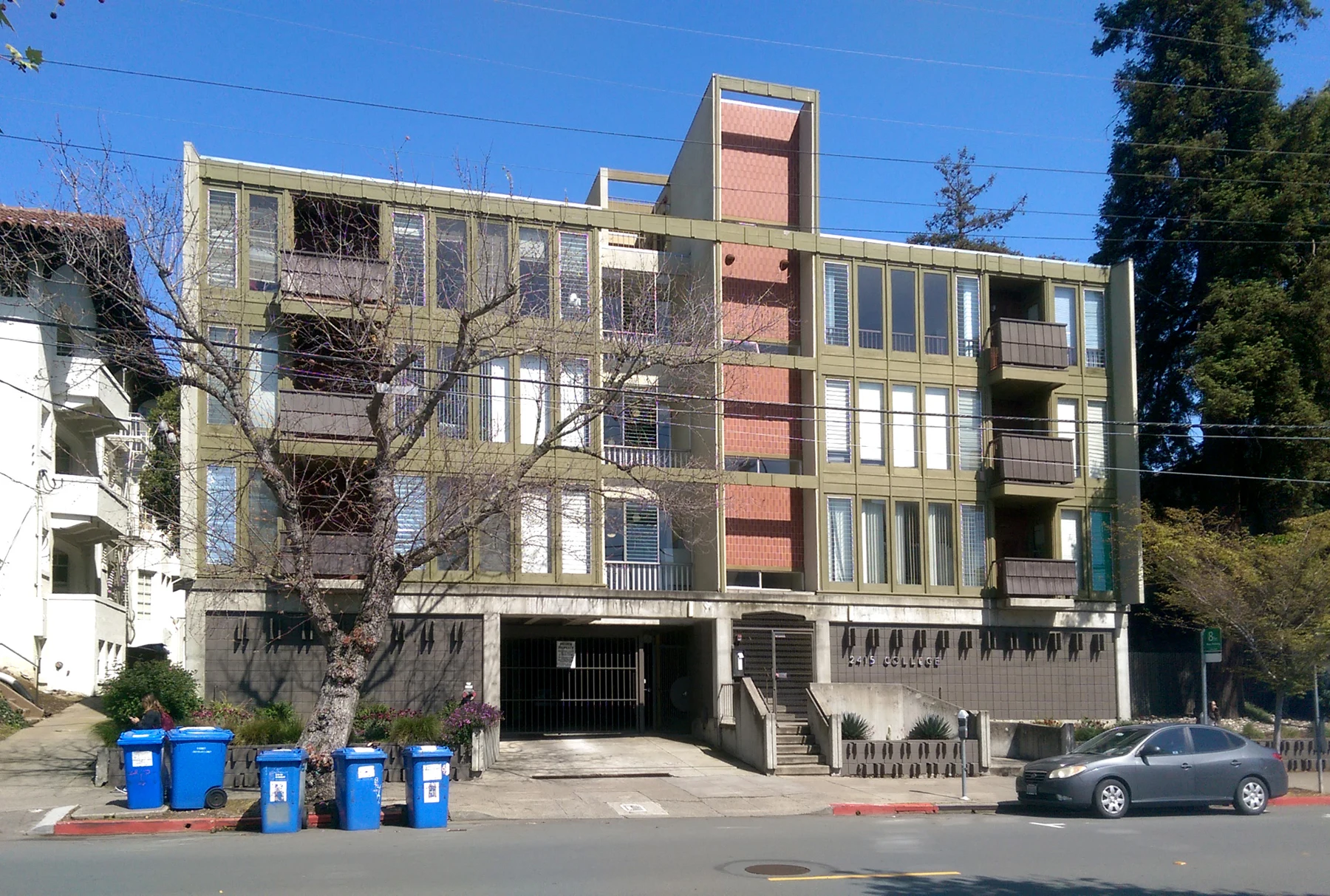
An apartment building in Berkeley, California. Archival photo, April 18, 2017.
An apartment building in Berkeley, California. Archival photo, April 18, 2017. Photo: Alfred Twu / Wikimedia Commons · CC0. Resized, converted to WebP and cropped to fit the layout. Adapted image remains under CC0.

California voters approved Proposition 1 on Tuesday, authorizing $11.25 billion in housing bonds and giving affordable-housing developers a new source of public capital as they assemble financing for future projects.

KQED’s Associated Press-backed results page reported a race call at 10:58 p.m. Pacific on November 3. The tally displayed Wednesday showed 59.3% voting yes, with an estimated 58.24% of votes counted. Those figures are preliminary, not certified results.

The measure separates $10 billion for state housing programs from $1.25 billion supporting veterans’ home loans. According to the Legislative Analyst’s Office, $7.2 billion is directed toward affordable multifamily housing acquisition, construction and rehabilitation. Projects receiving that support generally must preserve low-income occupancy restrictions for 55 years.

That makes the vote especially relevant to developers and investors working with income-restricted apartments. The funding can help fill a project’s financing gap, but the election does not award money to any particular development or establish when an individual project can close.

The state’s analysis says allocations will occur over several years. It estimates that the package could subsidize as many as 40,000 multifamily rental units, with funding commonly combined with other government resources. That projection is not a construction schedule or a guarantee that all those units will be delivered.

For sponsors, the practical work now shifts to program rules, funding competitions and financing coordination. A project that needs several public subsidies must still align those awards with its other financing and development requirements. The election result improves the available funding picture without eliminating those steps.

The measure also carries a public financing cost. The Legislative Analyst’s Office estimates annual General Fund payments of $500 million to $600 million for approximately 25 years on the $10 billion housing-program portion. Participating veterans are expected to repay the separate home-loan bonds through their mortgage payments.

For commercial real estate, the immediate story is additional potential financing capacity, rather than a sudden increase in completed apartments. The next meaningful milestones will be the release of funding opportunities, project awards and financing commitments.

Sources

California official legislative analysis

KQED election results and AP race call

Published by The Basis. Research dates, source references and illustrative assumptions are retained from the original article.