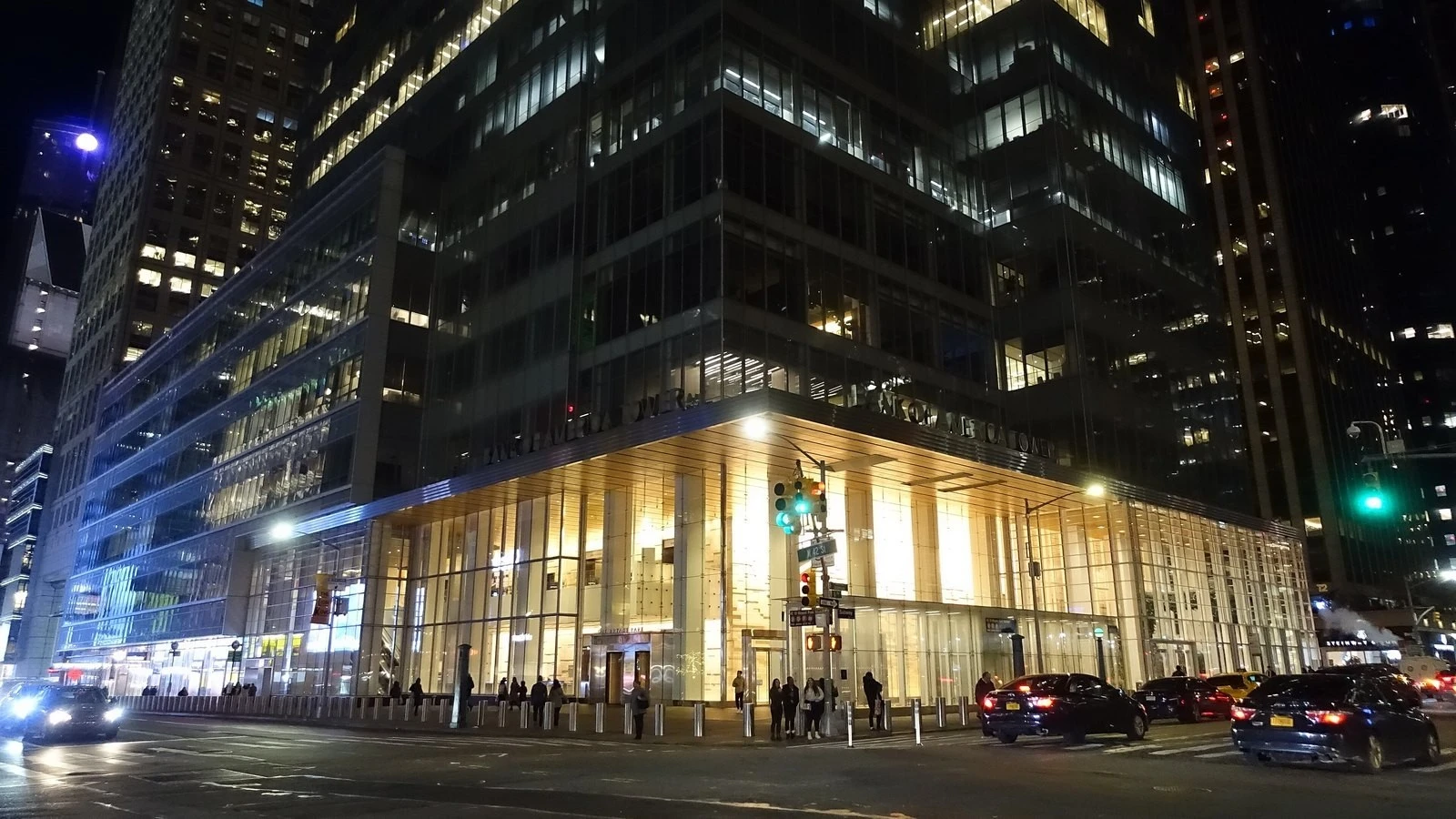
It took more than six years, but Manhattan's office market has closed the gap. Average asking rents in October matched where they stood in March 2020, the month the pandemic emptied the city's towers. The comeback is not happening everywhere, and not in every building, but the national data now points the same way.
Manhattan: the numbers behind the milestone
According to Colliers' latest Manhattan report, as reported by The Real Deal on November 2, the borough's average asking rent rose to $79.47 per square foot in October. That was up 1.4% from September, the sharpest monthly increase since August 2019, and 5.7% higher than a year earlier.
Demand is the driver. Tenants signed 4.54 million square feet of leases in October, 54.1% more than in September, and year-to-date leasing reached 37.39 million square feet, putting 2026 on track to be the strongest year for Manhattan office leasing since 2000. Midtown and Midtown South accounted for nearly 90% of the month's demand, led by Citadel's 1.05 million-square-foot lease at 350 Park Avenue and fintech company Ramp's 460,000-square-foot extension and expansion at 28-40 West 23rd Street.
Space is getting scarce. Manhattan's availability rate fell to 12.3%, its lowest since August 2020, Midtown's availability dropped to pre-Covid levels, and sublease supply fell to its lowest level since August 2019, down 16.2% from a year ago.
The national picture: five straight quarters of falling vacancy
CBRE's third-quarter U.S. office report, discussed by the firm's head of U.S. office research, Stefan Weiss, in an October 27 interview with The National News Desk, shows the same trend in broader form. National vacancy fell to 18.2%, its fifth consecutive quarterly decline, and net absorption was positive for the tenth straight quarter. Leasing was up 4% from a year earlier and is on pace to top the 2022 record of 238 million square feet.
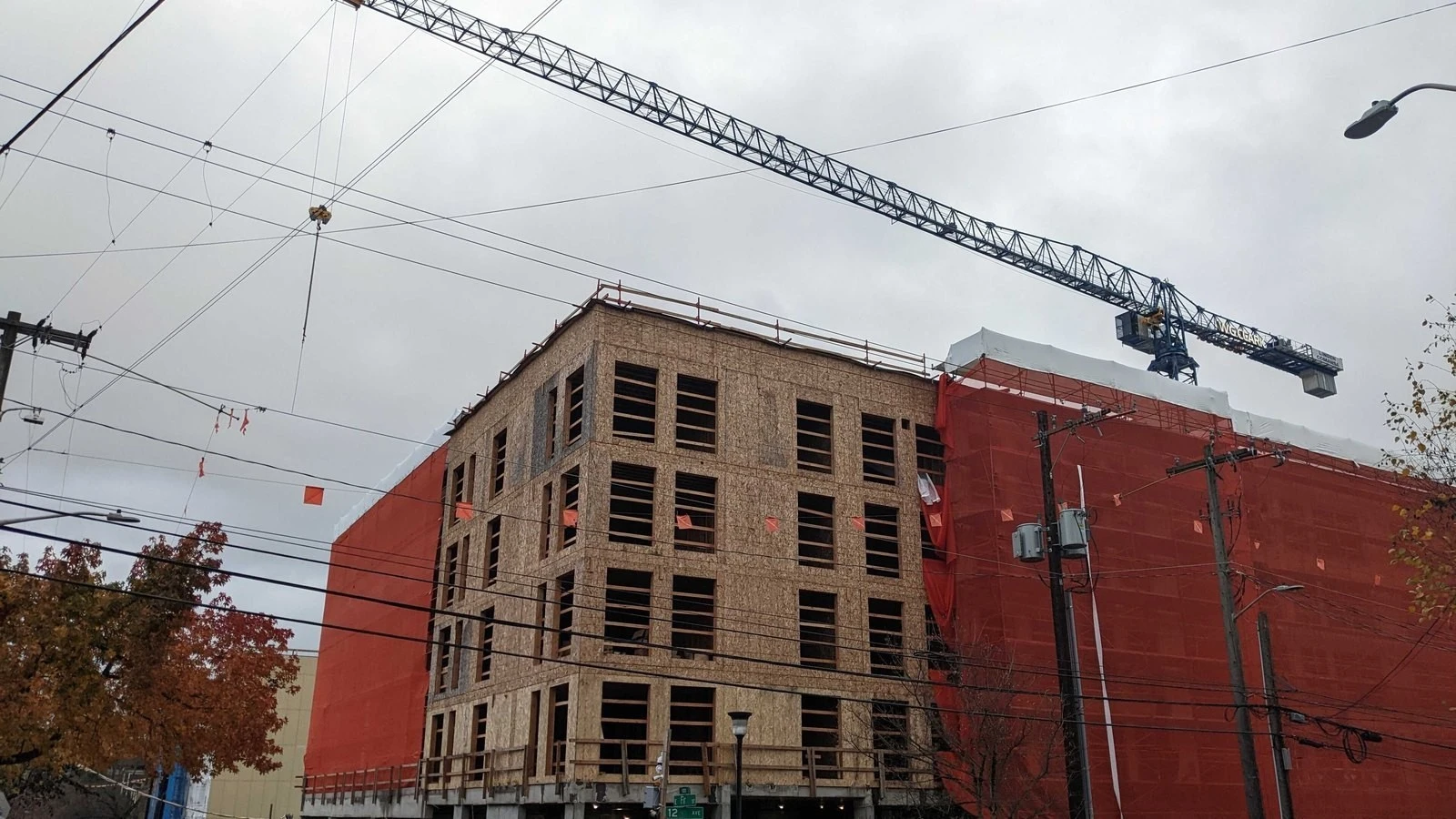
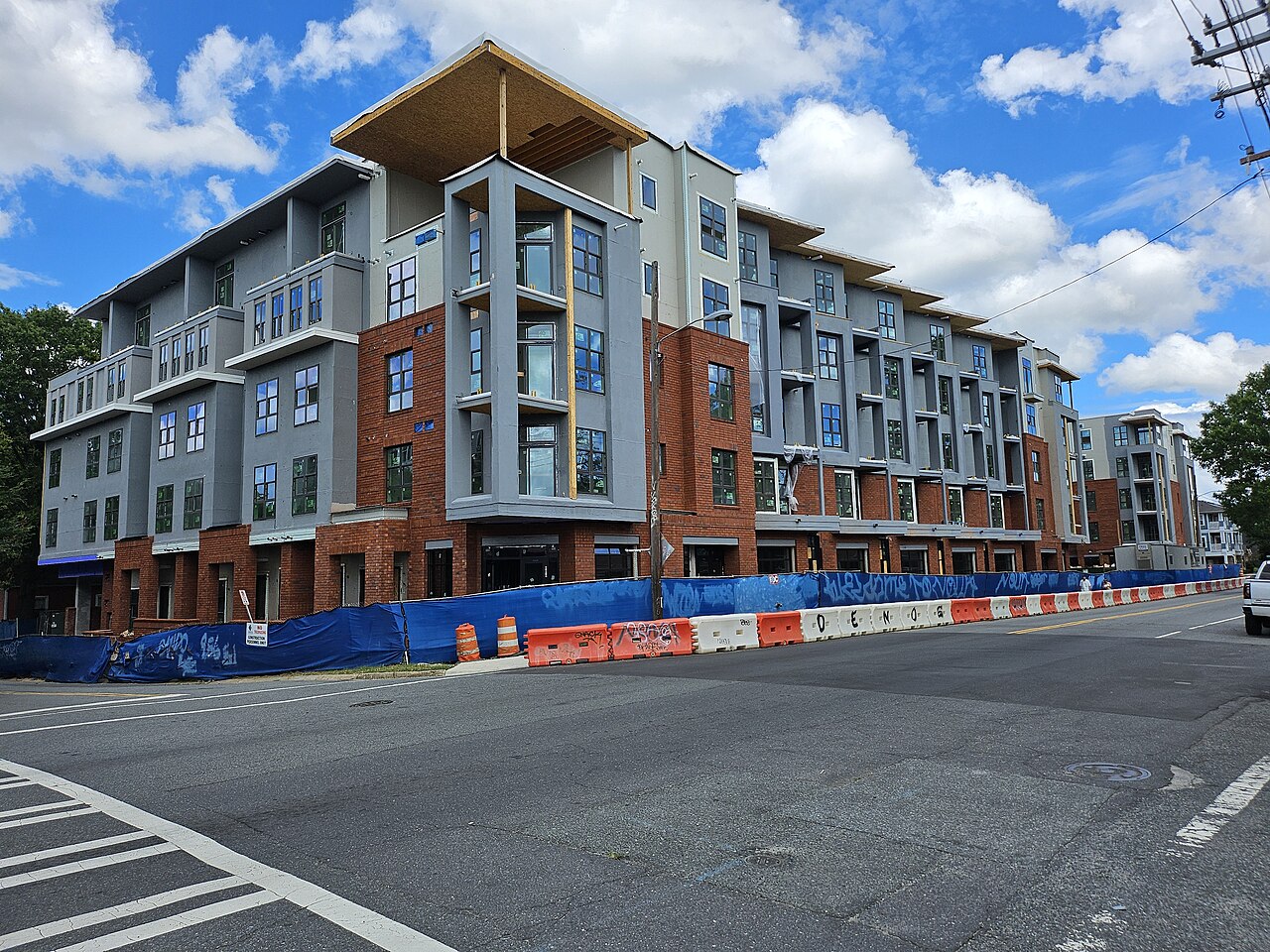
The top of the market is tightening fastest. Vacancy in prime office space fell to 11.9%, and in Midtown Manhattan prime vacancy was just 1.9%. New construction is not coming to the rescue: completions were down 76% from a year earlier and remain at record lows, while asking rents grew more than 3%, the strongest annual gain since 2016. New leases, rather than renewals, made up 61% of year-to-date volume, up from 56% in 2025, a sign that companies are expanding, not just staying put.
AI: a demand driver, not (yet) a demand killer
The fear that artificial intelligence would hollow out office demand has not shown up in the data. In San Francisco, Cushman & Wakefield said the market improved on every major measure in the third quarter, largely because of AI and machine learning companies. Vacancy fell to 29.3%, down from 33.8% a year earlier and the lowest since the third quarter of 2023. Asking rents rose 3.4% from the prior quarter to $72.68 per square foot, and new leasing of just over 9.0 million square feet year to date already exceeds all of 2025, putting the city on track to beat its 10.4 million-square-foot record set in 2014.
CBRE is equally relaxed about the longer term. Weiss said the firm expects office-using employment to grow 0.9% a year over the next five years, faster than the 0.6% projected for jobs overall, and that national vacancy should keep falling to around 14% by the early 2030s. His argument: the work AI automates is more likely to be work that was already done remotely.
Attendance is the remaining gap
Occupancy still lags leasing. In its most recent weekly reading, for the week ending October 21, Kastle Systems' 10-city barometer averaged 56.1% of pre-pandemic levels, with New York at 69.9% and San Francisco at 47.6%. Peak days run much higher: Tuesday, October 20, averaged 66.1% across all buildings, and Class A+ buildings averaged 76.7% for the week. CBRE's occupier survey found 89% of employers now require at least three days a week in the office, up from 78% a year ago.
What it means for CRE investors and owners
The recovery is a prime-building recovery. With prime vacancy near 12% nationally and under 2% in Midtown, tenants that need quality space are running out of options. Owners of well-located, amenitized buildings have pricing power for the first time in years.
Commodity office is a different asset class. National vacancy of 18.2% still means plenty of empty space in older buildings. Owners of that stock should be weighing upgrades, conversions or a sale, not waiting for the tide to lift them.
No new supply is a tailwind for years. With completions at record lows, there is little competing product coming, which supports rent growth in the best buildings well into the next cycle.
Lenders and buyers will reprice the best assets first. Pre-pandemic rents in Manhattan and record leasing pace make it easier to refinance and sell trophy and Class A towers. We expect more transactions in that segment before the recovery reaches the middle of the market.
Sources
The Real Deal, Manhattan office rents turn pre-pandemic corner (Nov 2, 2026)
The National News Desk, Office leasing on track to top 2022 record (Oct 27, 2026)
Cushman & Wakefield, San Francisco Office MarketBeat Q3 2026
Kastle Systems, Back to Work Barometer
Published by The Basis. Research dates, source references and illustrative assumptions are retained from the original article.