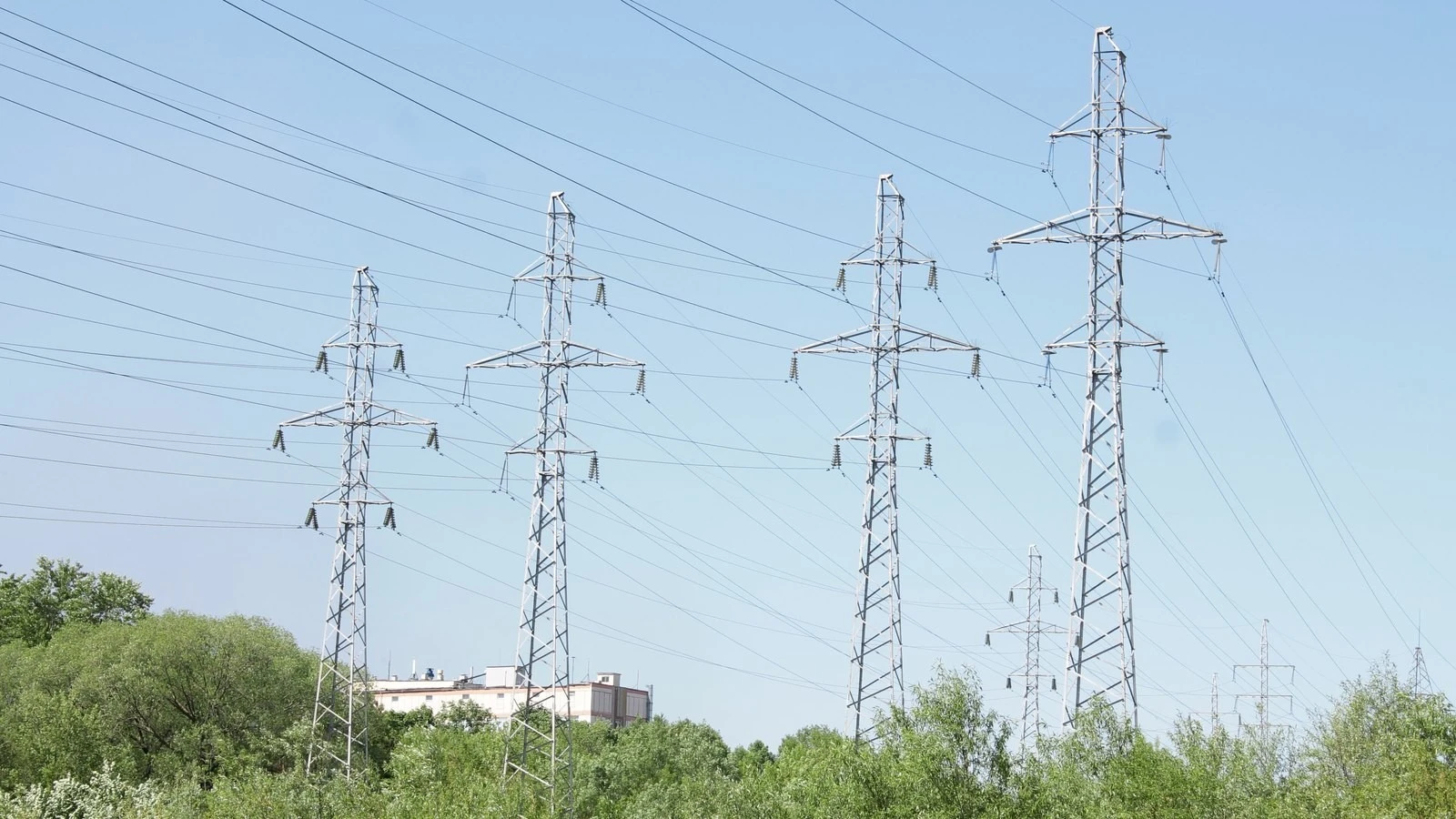

Only 25 gigawatts of more than 100 gigawatts of generation projects awarded grid connection agreements since 2020 have been built, PJM spokesman Jeff Shields told Reuters Events in reporting published November 4. He cited permitting, supply-chain and financing obstacles. For commercial real estate investors evaluating data-center sites, the finding illustrates the distance between a connection agreement and an operating power source. Reuters, November 4
That construction gap gives developers another reason to scrutinize both the timing and financial obligations behind a prospective utility connection. A site’s advertised megawatt capacity is only the beginning of that review.
The grid operator filed an amended Reliability Backstop Procurement proposal on October 29, seeking a March 1, 2027 launch. PJM says the procurement would address an approximately 6,800-megawatt capacity shortfall associated with its 2028–2029 auction, subject to recalculation. Its revisions address cost allocation, credit requirements and the responsibilities of electricity suppliers that leave the system. The proposal would allocate costs according to large-load growth, with changes intended to make the entities responsible for that growth bear the associated expense. PJM’s announcement
For property owners, the central question is how those wholesale-market responsibilities would reach an individual building or campus. A project’s electricity supplier, utility tariff and service agreement can matter as much as its location. Investors should therefore examine the proposed rules alongside the actual contracts for a site rather than assume that a regional policy translates into an identical charge for every customer.
The procurement target remains unsettled
The headline shortfall should not be treated as the final amount PJM will purchase. Utility Dive reported that Jefferies analysts see a scenario in which the procurement could fall to roughly 630 megawatts after utilities reduced near-term large-load forecasts. That is an analyst estimate, not an adopted auction target. PJM told the publication that a lower forecast could reduce the requirement, but resource accreditation and other factors would also influence the result. Its updated long-term forecast is expected in January. Utility Dive’s November 3 report, updated November 4
This uncertainty cuts both ways for a developer assessing a site. A smaller procurement could change the expected cost burden. It would not, by itself, establish that a particular substation has capacity available, that transmission upgrades are complete or that a campus can begin operating on its preferred date. Regional capacity procurement and the work needed to connect an individual customer answer different questions.
A useful acquisition review would distinguish electricity available today from capacity dependent on future construction, contractual conditions or regulatory decisions. Purchase agreements and financing assumptions should reflect those distinctions. Paying a premium for a claimed power entitlement without understanding its conditions risks valuing a future possibility as a completed improvement.
Follow the obligation through the contracts
Utility Dive’s reporting also highlights the importance of state implementation. ICF’s Maria Scheller said the revised approach reduces certain utility risks, while questions remain about customer security, cost recovery and what happens when a large customer changes suppliers or disappears. The publication reported that existing customers could retain indirect exposure if state mechanisms fail to keep obligations attached to the loads causing them. Utility Dive
For a landlord leasing to an operator, that raises practical diligence questions. Which party supplies collateral? Can charges pass through to the tenant? What remains payable if the tenant delays taking space, uses less power than expected or defaults? Does the lease address obligations that could outlast its term? The answers will depend on the applicable documents; the proposal alone cannot resolve them.
An owner should also test whether a prospective buyer or replacement tenant could assume the relevant arrangements. A building with extensive electrical infrastructure may still face a costly transition if its energy commitments cannot transfer on acceptable terms. That possibility belongs in an exit analysis alongside conventional assumptions about rent and capitalization rates.
A timetable to watch rather than an approval to assume
PJM proposes closing bids on March 28, determining procurement quantities on April 28 and publishing results May 10. It is seeking resources for terms of up to 15 years. Those dates describe the proposed process, not a completed procurement or a promise of power to individual developments. PJM
The near-term task for data-center investors is to price the unresolved conditions explicitly. A credible power plan should identify the service provider, expected availability, remaining approvals, security requirements and responsibility for costs if the project changes. Until those items are clear, a megawatt figure on a marketing package offers an incomplete picture of the real estate’s earning capacity.
Published by The Basis. Research dates, source references and illustrative assumptions are retained from the original article.