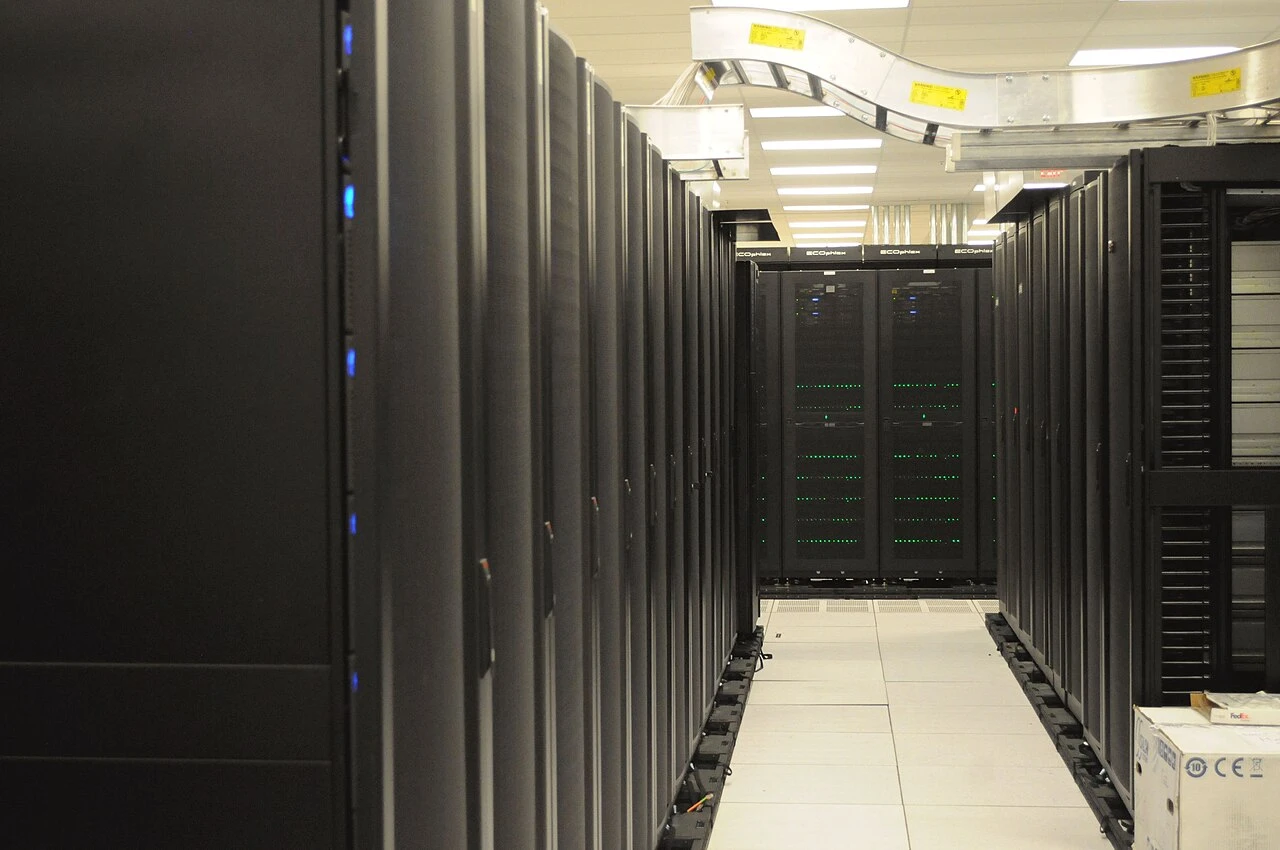
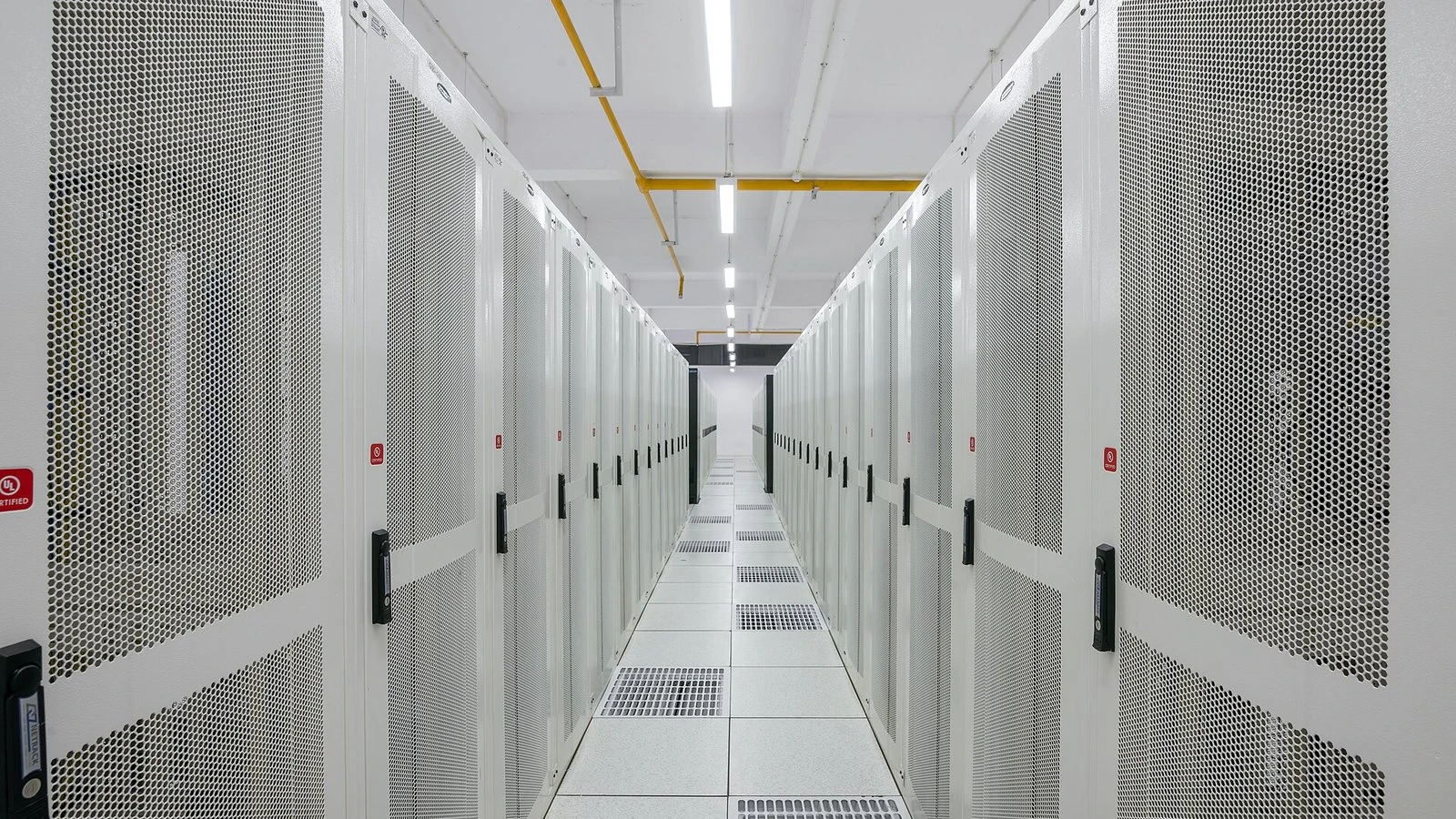
For two years, Texas sold itself as the place to build the machines behind artificial intelligence. On Tuesday, its voters picked a governor who campaigned on stopping new data center approvals until the Legislature writes new rules. Few single election results matter more to the fastest-growing corner of commercial real estate.
What Hinojosa has promised
Gina Hinojosa defeated Gov. Greg Abbott and becomes the state's first Democratic governor since 1990, according to Yahoo Finance. She takes office January 19, per The Texas Tribune, and will work with a Texas House that Democrats are on track to control, while the state Senate appears set to stay Republican.
Her position on data centers is not ambiguous. "When I am governor I will issue a moratorium — a ban — on all data center approvals until laws can be passed by the Legislature to protect Texans," she said in an October 22 video quoted by the Tribune. Her campaign platform also calls for union labor requirements, water protections, an end to the nondisclosure agreements that keep projects out of public view, protection for ratepayers from higher electricity bills, and the elimination of tax breaks for large data center developers.
Texas was already tapping the brakes. Abbott, who once called the state the "epicenter of AI development," began pausing data center grid connections in August and later froze related environmental permits pending an audit of power and water use expected to finish around December, the Tribune reports. Hinojosa called that an election-year stunt and promised something firmer.
Why Texas matters so much
Scale is the issue. Yahoo Finance reports that Texas accounts for more than 25% of planned U.S. data center capacity through 2030, and Fortune cites a Bloom Energy report projecting the state will hold nearly 30% of U.S. capacity by 2028. Wolfe Research's Tobin Marcus told Yahoo Finance that Texas is "the one state with enough scale and enough difference between the candidates that it could make a real difference." Bank of America called the race one of the highest-impact elections for the entire utility sector.
The industry is building at a record pace. According to CBRE figures cited by Fortune, a record 7,481 megawatts of data center capacity was under construction across eight major North American markets in the first half of 2026, up nearly 25% from a year earlier.
Texas is not alone
Fortune reports that Democratic governors-elect in two other key states also campaigned on limits. Amy Acton in Ohio has called for a conditional moratorium unless developers cover their utility costs, use union labor and meet environmental standards. Keisha Lance Bottoms in Georgia promised a temporary statewide pause to study the effect on power bills and communities.
Local voters went further. Yahoo Finance counted 28 ballot measures to limit data centers across 13 states, and virtually every one was on track to pass Wednesday morning, including bans or restrictions in at least 14 Ohio municipalities. An NBC exit poll found 57% of voters said AI will do more to hurt society, against 24% who said it will help. Data Center Watch, cited by the Tribune, found that 43% of the 74 gubernatorial candidates it studied supported a moratorium or ban.
Public markets noticed. CNBC and Fortune reported declines Wednesday in CoreWeave, Applied Digital and Cipher Digital, even as the broader market rallied. Elon Musk offered his own read on X: "Data centers in space looking pretty appealing right now."
The industry's case
The Data Center Coalition's Texas government affairs director, Jess Heck, told the Tribune that the industry remains committed to energy reliability, affordability and "responsible economic development," and wants to work with state leadership. Analyst Dan Ives of Yorkville Ives told Fortune that a slower build-out could even reassure investors worried about hyperscaler spending, which is expected to reach as much as $828 billion this year.
What it means for CRE investors and owners
Operating capacity just got scarcer. If new approvals stall in the largest growth market, data centers that are already built, powered and leased gain pricing power. Owners of stabilized assets with secured power are the most obvious winners.
Land plays need a regulatory-risk discount. Raw or partially entitled land bought on the assumption of a data center exit now carries timing risk that did not show up in most models a year ago. Purchase contracts should include extended due diligence periods and clear outs tied to permitting and grid interconnection.
Watch for demand to migrate. Developers will look for states with available power and friendlier politics. That could lift land and industrial values in markets that were second choices last year.
Factor in the tax piece. Hinojosa wants to end sales tax incentives for data centers. Projects whose returns depend on those breaks should be stress-tested without them before the Legislature convenes in January.
Remember the timing. Nothing changes before January 19, and many of her priorities need legislative votes. Expect a period of heavy lobbying and negotiation, not an overnight shutdown.
Sources
The Texas Tribune, Under Hinojosa, Texas data center approvals could stay paused: https://www.texastribune.org/2026/11/04/data-center-texas-pause-gina-hinojosa-governor-policies/
Yahoo Finance, Democrats' victories in Texas laid bare voter unease over data centers: https://sg.finance.yahoo.com/news/a-democrat-won-the-texas-governors-race-after-promising-to-halt-new-data-center-construction-044536389.html
Fortune, Democrat wins will slow data center construction: https://fortune.com/2026/11/04/democrats-midterm-election-2026-anti-data-center-governors-texas-georgia-ohio-ai-infrastructure-big-tech-spending-moratorium-regulations/
CNBC, Stock market news for Nov. 4, 2026: https://www.cnbc.com/2026/11/03/stock-market-today-live-updates.html
Gina Hinojosa for Texas Governor, Data Centers: https://ginafortexas.com/priority/data-centers/
Published by The Basis. Research dates, source references and illustrative assumptions are retained from the original article.