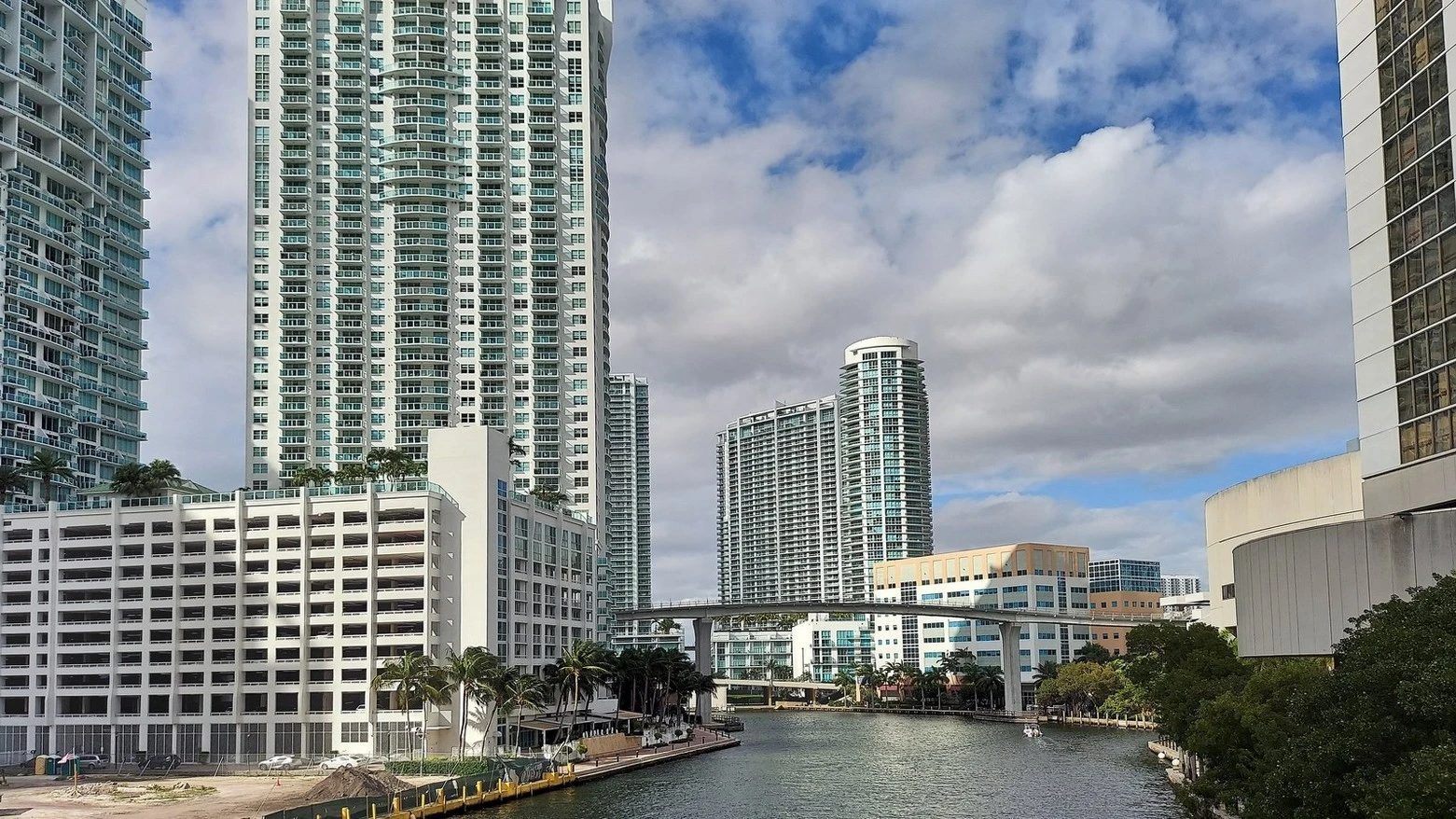
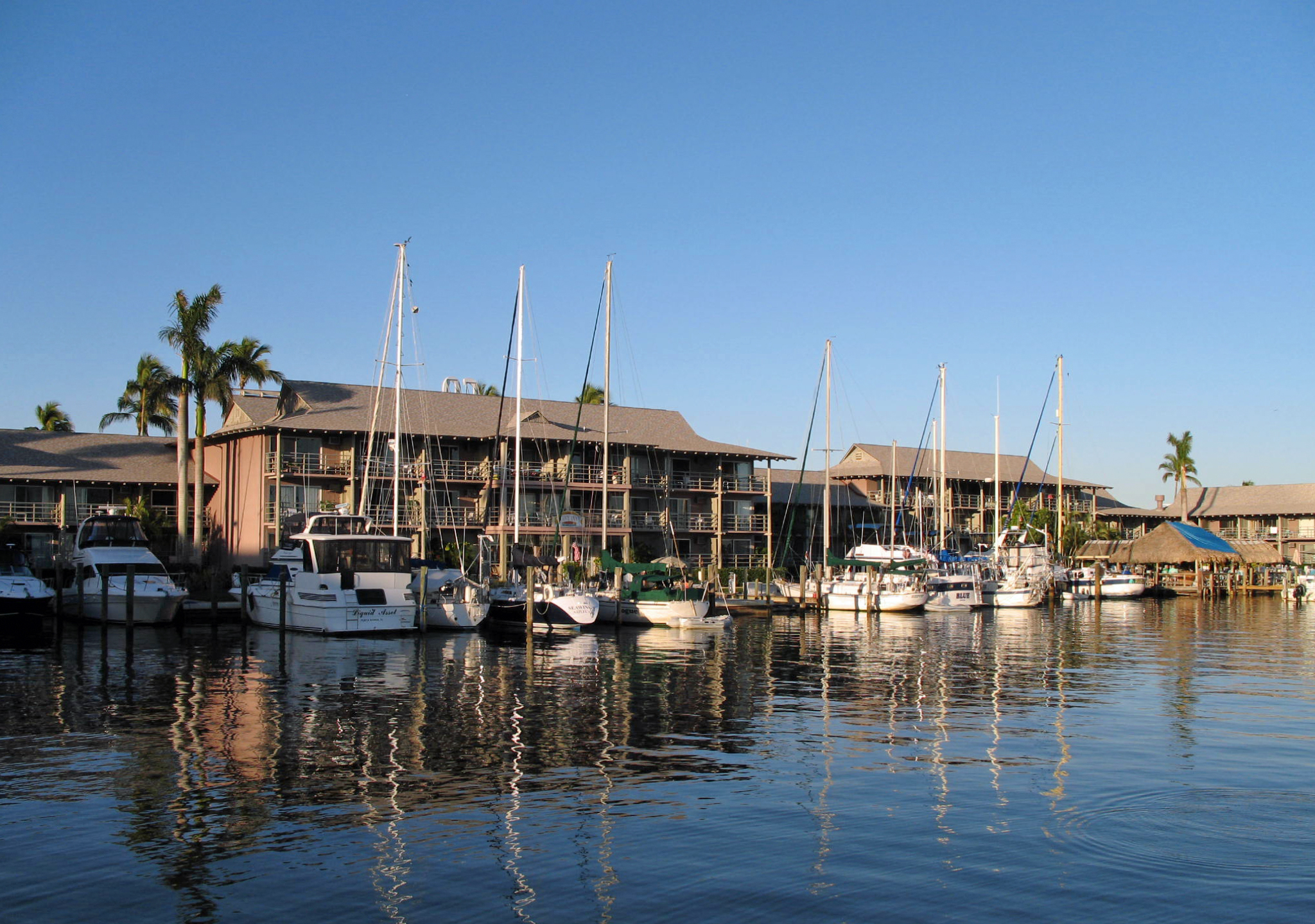
Kennedy Funding said November 5 that it closed a $3.633 million bridge loan for Port of the Islands Resort, a mixed-use property at 25000 Tamiami Trail East in the Naples area of Florida. The borrower, A&T Investment LLC, will use the financing to repay roughly $1.6 million across three existing loans, fund renovations and supply working capital, according to the lender’s announcement.
The property combines hospitality, residential rentals and commercial space. Kennedy describes a roughly 7.7-acre holding within a larger condominium development, with a restaurant and bar, offices, a pool and a fitness center. Stratas president Benjamin Birch brokered the financing. Kennedy Funding’s November 5 release
Loan proceeds and renovation capital are different numbers
Using the lender’s figures, The Basis calculates that the existing debt represents about 44% of the new loan: $1.6 million divided by $3.633 million. Subtracting that reported payoff leaves approximately $2.033 million before fees, reserves, working capital and any other uses. That remainder is a calculation, not a disclosed renovation budget.
For an owner comparing bridge-financing proposals, this distinction changes the practical question. The headline loan amount says how much debt is being originated; the sources-and-uses schedule determines what is actually available to improve the property. Treating the whole loan as construction capital would overstate the money left after refinancing existing obligations.
Mixed uses require a closer look at the collateral
The Basis’s assessment: a property combining overnight stays, longer-term rentals and commercial occupiers needs underwriting that identifies which income streams and assets support the borrowing. The announcement establishes the lender’s reported closing and intended uses, but does not provide the loan’s interest rate, maturity, valuation or an independently verified project budget. Those missing terms limit comparisons with conventional apartment or hotel loans.
Related: testing renovation premiums against concessions; more financing coverage.
Published by The Basis. Research dates, source references and illustrative assumptions are retained from the original article.